What Is Cervical Stenosis?
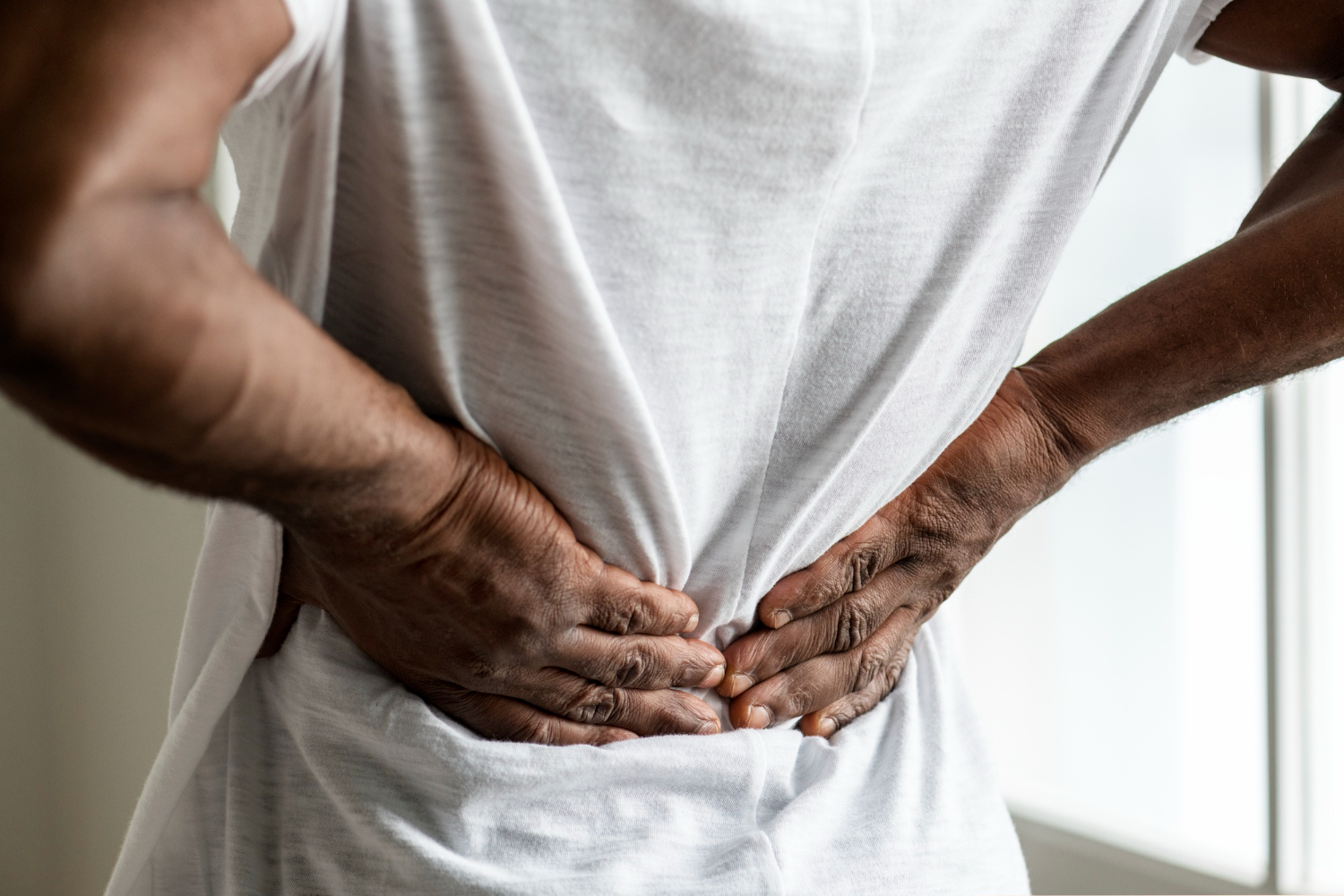
Cervical stenosis is a nerve condition involving the spinal canal and cervical spine.
The spinal canal is a hollow area in the middle of the spine containing the spinal cord, and the cervical spine is composed of the vertebrae, or bones, that make up your neck.
These vertebrae protect the area of the spinal canal that runs through them.
The nerves in the spinal canal allow for feeling and movement and control important bodily functions, including functions of the bowel and bladder.
Cervical stenosis occurs when the spinal canal narrows and compresses nerve roots in the canal.
While not all of those with cervical stenosis experience pain symptoms, this condition can lead to serious nerve issues.
Cervical Stenosis Treatment
Dickinson Neurological Surgery in Idaho Falls provides professional cervical stenosis treatment, including non-surgical and surgical care.
What Are Symptoms of Cervical Stenosis?
Symptoms of cervical stenosis include:
- Stiffness, numbness, weakness, or pain in the shoulders, arms, hands, legs, or neck
- Balance problems, such as tripping while walking
- Incontinence
Many who have spinal canal narrowing don’t show symptoms. Symptoms only appear when the spinal cord or nerves around it are compressed, and symptoms usually develop gradually over a long period of time.
Causes of Cervical Stenosis
Cervical stenosis is generally caused by age-related changes and is more common in people over the age of 50. In rare cases, cervical stenosis can occur from the way bones formed. Other causes of cervical stenosis include spinal injuries, herniated discs, and tumors.
Age
The aging process often causes the ligaments in the spine to thicken, destruction of cartilage, and excessive growth in joint bones. All of these can cause the spinal canal to narrow and compress the spinal cord and nerves.
Herniated Discs
Discs that bulge into the spinal canal can cause cervical stenosis and lead to nerve inflammation.
Spinal Injuries
Cervical stenosis caused by a spinal injury may occur at the time of the injury or afterward, but still in correlation with the injury.
When occurring at injury, cervical stenosis may result from a vertebral fracture or dislocation, ligament compromise, bleeding, or swelling.
Cervical stenosis that results in connection to but following an injury may involve a vertebra that has healed in an altered position, arthritis, or the formation of scar tissue.
Tumors
Whether they originate in the spinal canal or elsewhere, tumors can result in cervical stenosis by taking space in the spinal canal and causing spinal cord and/or nerve root compression, collapsing vertebrae, and more.